
A flooded bathroom is stressful—but fast, correct action can prevent bigger damage and improve your chances of an approved insurance claim. Use this guide to stay safe, limit damage, and understand what happens next.
1) What to Do Immediately After a Bathroom Flood?
Step 1: Stop the water at the source
First, identify where the water is coming from. If this is plumbing-related, shut the water off at the source (toilet/sink shutoff valve). If you can’t stop it quickly, shut off the main water line to the whole house.
Step 2: Call for help right away
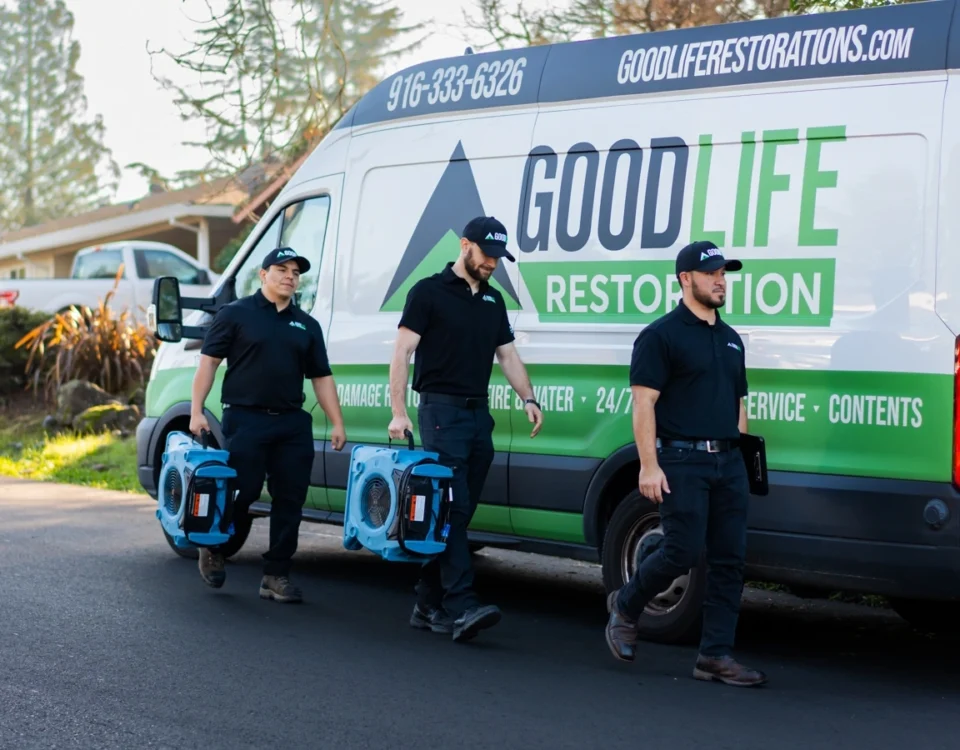
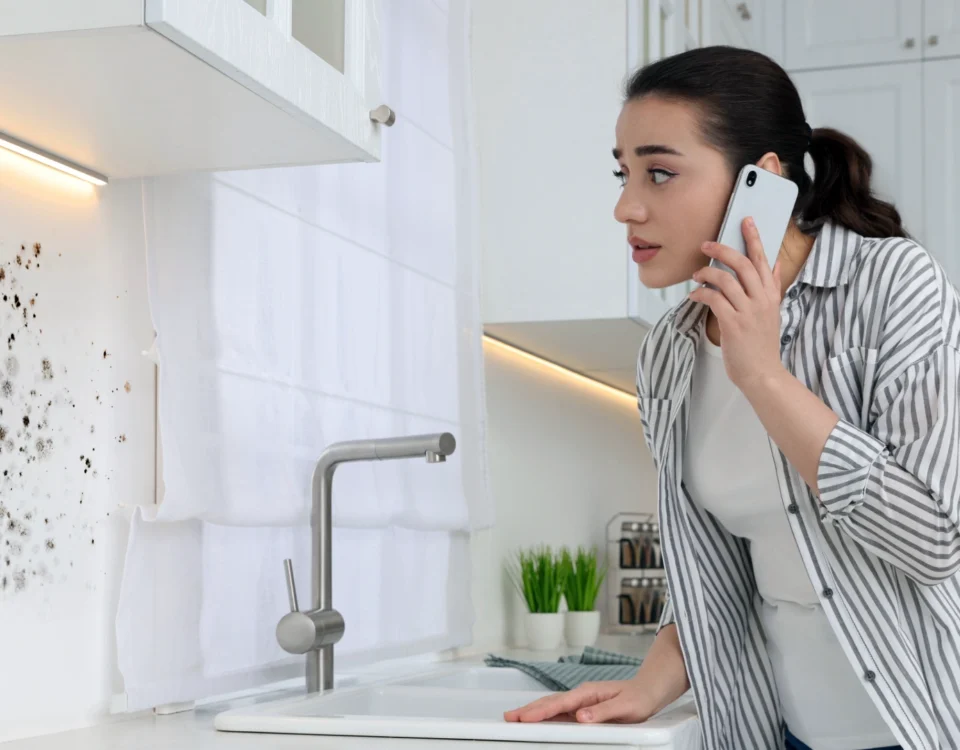
As soon as you see damage, call your insurance company and contact a water mitigation contractor to respond immediately. Acting fast helps limit damage and supports your claim.
Step 3: Make it safe
Be cautious around electrical hazards. If you see or suspect exposed electrical near the water (or anything submerged), don’t step further into the area—wait for professionals.
2) Can You Remove Water Yourself Before a Pro Arrives?
In many cases, yes. If there is no known hazard (like exposed electrical submerged in water), it’s generally safe to remove standing water if you have the right equipment.
Safe DIY water removal options:
- Wet/dry vacuum (wet vac)
- Water extractor
If you’re unsure whether it’s safe—or if the flood involves toilet overflow—pause and call a professional.
3) What Are the Most Common Causes of a Bathroom Flood?
Beyond the obvious clogged toilet, bathroom floods often come from causes homeowners miss at first, including:
- Burst supply lines (toilet, sink, vanity)
- Failed wax ring under the toilet (often shows up as water leaking around the toilet base)
- Leaks from the toilet tank (can be slow but still damaging over time)
Identifying the cause quickly can help prevent the flood from returning and supports accurate insurance documentation.
4) Mold After a Bathroom Flood: How Fast Can It Start?
Once the water is stopped, the next priority is drying everything out as quickly as possible—because moisture trapped in a bathroom doesn’t just “go away on its own.”
How soon can mold grow after a bathroom flood?
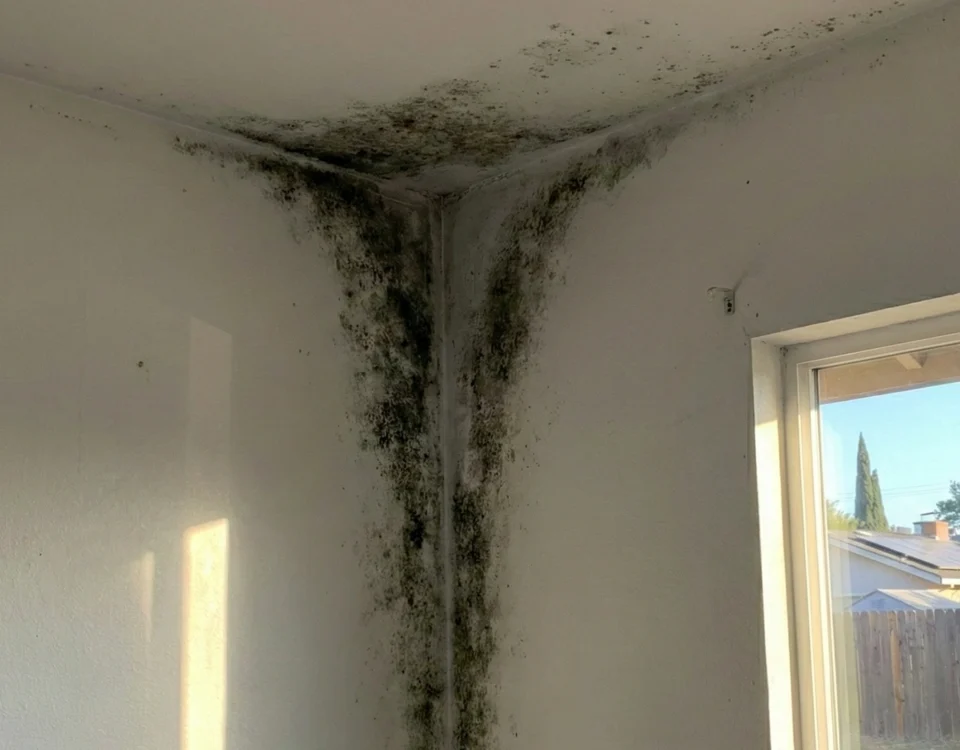
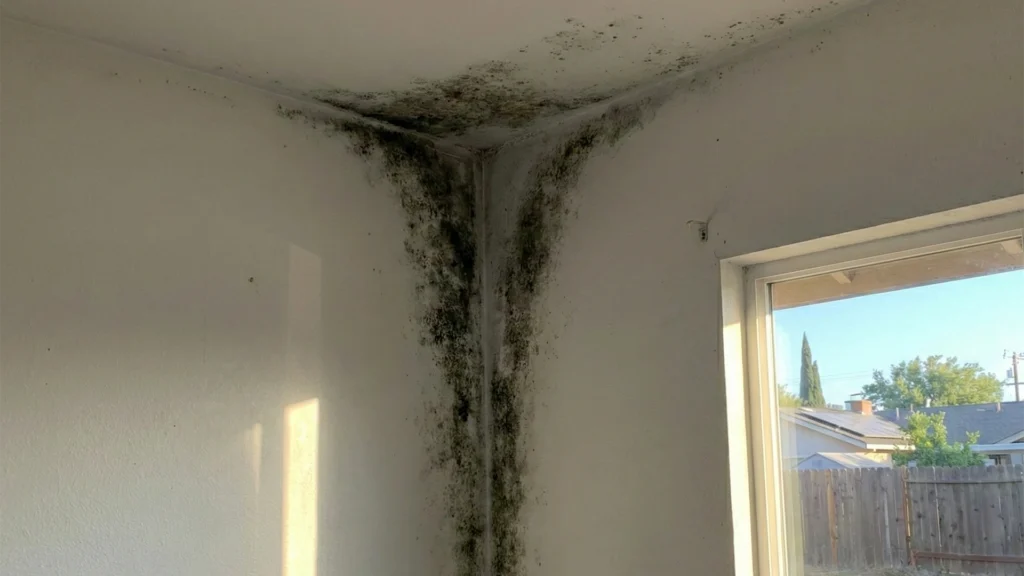
If materials remain wet with no active drying, mold can begin forming as soon as 72 hours (about 3 days).
How long does professional drying usually take?
For a typical bathroom flood, professional drying often takes about 3–5 days when handled appropriately.
Why a desk fan usually isn’t enough
A desk fan might dry what you can see, but water damage often reaches areas you can’t—like behind baseboards, under flooring, or inside wall cavities. Fans also need to be paired with dehumidifiers, which are a vital part of proper drying because they pull moisture out of the air and materials. The goal isn’t just to make the bathroom look dry—it’s to make sure it actually is dry to reduce the risk of mold and long-term damage.
5) Bathroom Flood Insurance & Claims: What Homeowners Should Know
The “golden rule” for getting a claim approved
Less is more when it comes to what information you share with the insurance company. As soon as you see damages, file a claim—this improves the chances of approval. It’s also best to have an experienced water mitigation contractor involved in these conversations.
Sudden pipe burst vs. slow leak: does it matter?
In most cases, sudden and accidental leaks are more likely to be covered. Slow leaks tend to raise red flags and may lead to denials—especially if the homeowner appeared to ignore the issue.
How long do you have to file a claim?
Typically, if the leak occurred more than 14 days ago, there’s a likelihood certain procedures will be denied—more commonly mold remediation.
6) How to Prevent Future Bathroom Floods?
The most useful habit we recommend is monthly visual checks of the plumbing in your home—especially around toilets and vanities. Look for worn supply lines, loose connections, or signs of slow leaks. Replace worn-out plumbing parts as needed.
While most issues can’t be fully prevented, early detection can significantly reduce damage and disruption.
Quick Reminder
If you’re dealing with bathroom flooding, the best approach is: stop the water, make it safe, remove water if you can do so safely, and start drying immediately. The sooner the drying process starts, the lower the risk of mold and secondary damage.