
Homeowners insurance in California may cover mold when it’s caused by a sudden, covered water event (like a burst pipe). Mold from slow leaks or long-term moisture is often denied or limited, sometimes by a mold/fungus sublimit.
Quick Coverage Snapshot
| Scenario | Likely covered? | Why (plain English) |
| Burst pipe / sudden supply line leak causes mold | Often | Sudden water losses are commonly covered; mold may be treated as resulting damage (often with limits). |
| Water heater suddenly fails and water spreads | Often | Resulting damage may be covered if you act quickly; appliance replacement is often separate. |
| Mold from roof leak after a storm | Sometimes | More favorable if the storm created the opening and you responded promptly; long-term roof wear is often denied. |
| Toilet overflow leads to mold | Sometimes | Depends on cause, water type, and speed of drying/mitigation. |
| HVAC condensation causes mold over time | Rarely | Often treated as ongoing humidity/ventilation or maintenance. |
| Slow leak under sink behind cabinets (weeks/months) | Rarely | Commonly denied as continuous/repeated seepage or long-term damage. |
| Sewer backup causes mold | Sometimes | Often covered only with a water backup endorsement. |
| Flood-related moisture leads to mold | Rarely | Flood typically requires separate flood coverage. |
The Rule That Usually Decides Coverage
Insurance decisions usually come down to this: Was the moisture sudden and accidental, or did it happen over time?
More Favorable (Often Covered):
- One clear event (burst pipe, sudden leak, storm-created opening)
- You stop the water and start drying quickly
- You can document the cause and timeline
Less Favorable (Often Denied/Limited):
- Slow leaks or repeated seepage
- Wear-and-tear or maintenance issues
- Delayed reporting or delayed drying that lets mold spread
That’s why people ask does homeowners insurance cover mold—the cause and timeline usually drive the answer.
Does Homeowners Insurance Cover Mold From A Roof Leak?
Mold related to a roof leak is often handled differently depending on whether the leak was caused by storm damage or by long-term wear and maintenance issues.
More Favorable
- Storm creates a new opening
- You mitigate quickly
- Clear timeline (storm → discovery → mitigation)
Less Favorable
- Old roof, worn flashing, known ongoing leak
- Damage suggests weeks/months of intrusion
Documentation that helps: photos of the interior water path, moisture readings, and any proof of temporary roof protection or repair.
What Will Insurance Pay For When Mold Is Covered?
When mold is tied to a covered water event, coverage may include:
- Emergency mitigation (drying/dehumidification)
- Necessary mold removal of impacted porous materials (like drywall/insulation)
- Mold remediation steps such as containment and cleaning appropriate to conditions
- Repairs to restore affected areas (often approved after drying is documented)
In covered claims, insurance may help pay for mold removal and mold remediation that is necessary and properly documented, but coverage is still affected by your deductible and any mold/fungus sublimit.
How To Document Mold For An Insurance Claim?
- Photos: wide → water path → close-ups
- Video walkthrough: date/time + what happened
- Moisture readings / moisture map (especially for walls/cabinets)
- Save invoices (mitigation, repairs, temporary protection)
- Keep a communication log with adjuster dates and requests
Safety Notes
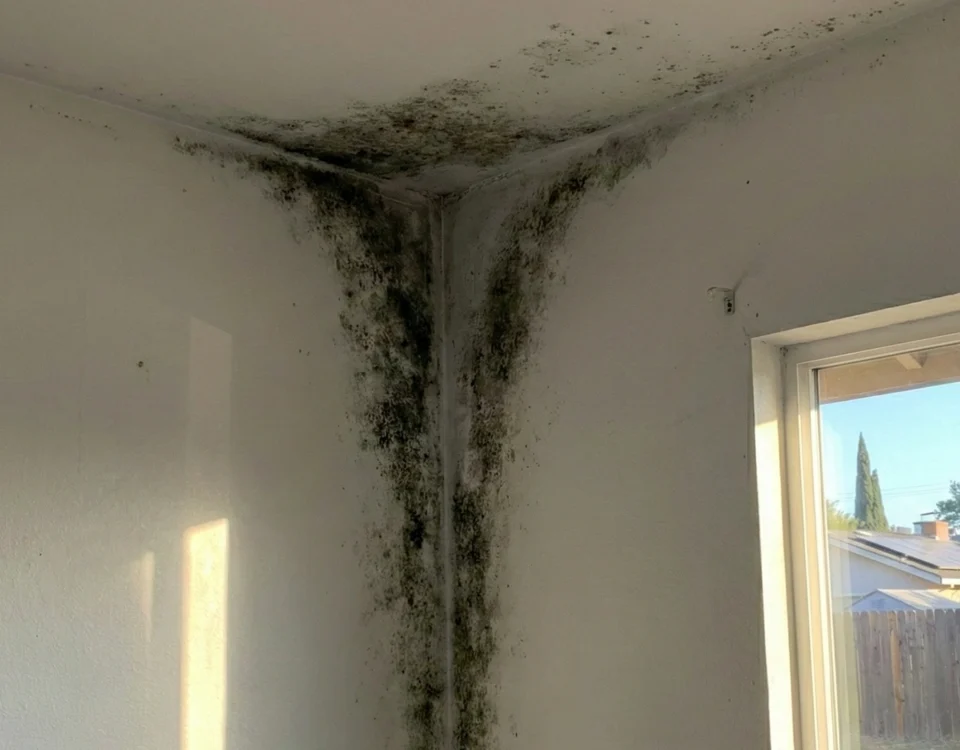
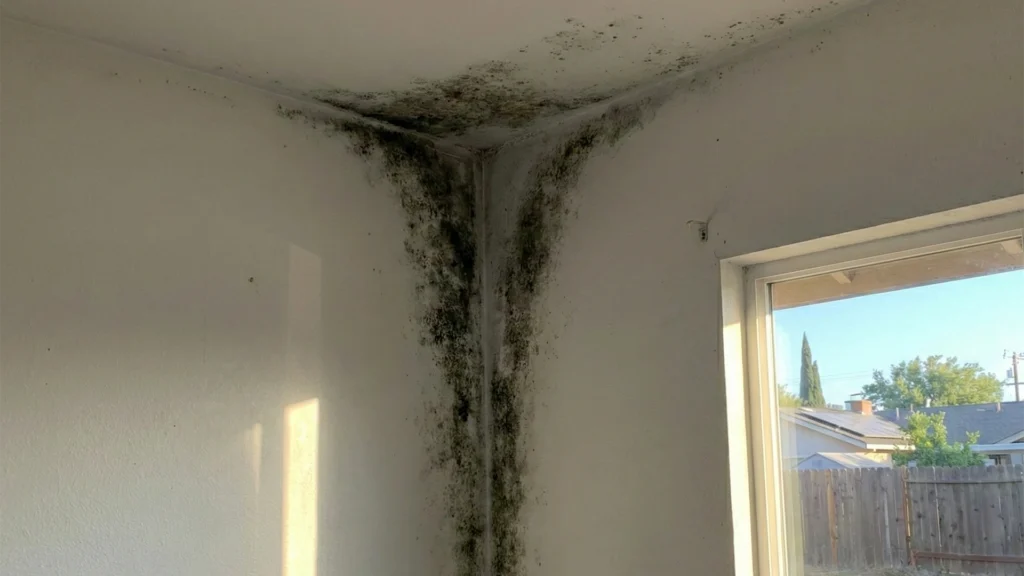
Avoid disturbing suspected mold behind walls or in insulation—especially what homeowners often call black mold—because it can spread if the moisture source isn’t fixed. Coverage for what people call black mold is usually evaluated by the moisture cause and policy terms, not the label.
Seek professional help if mold is widespread, recurring, in HVAC/crawl spaces, or if anyone is medically sensitive.
Disclaimer: This is general information, not legal advice. Coverage depends on your policy wording, endorsements, exclusions, and the facts of the loss.
Frequently Asked Questions
Does Homeowners Insurance Cover Mold?
Sometimes. It’s more likely when mold is resulting damage from a sudden covered water loss and mitigation begins promptly.
Does Homeowners Insurance Cover Black Mold?
Sometimes. Insurers usually focus on the moisture cause and policy limits, not the “black mold” label.
Does Homeowners Insurance Cover Mold Removal?
Sometimes. It may be covered when removal is necessary to repair covered water damage and within policy limits.
Does Homeowners Insurance Cover Mold Remediation?
Sometimes. It’s more likely when the water event is sudden, documented, and drying/mitigation starts quickly.
Does Homeowners Insurance Cover Mold Damage?
Sometimes. Coverage depends on cause, timeline, exclusions, and any mold/fungus sublimit.
Does Homeowners Insurance Cover Mold From Roof Leak?
Sometimes. Storm-created openings are more favorable than wear-and-tear roof leaks.