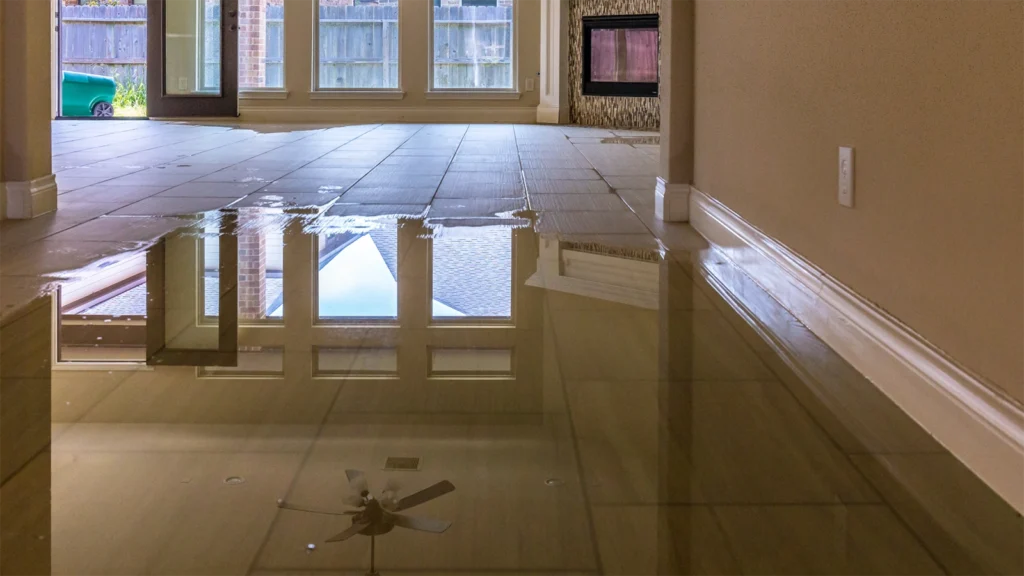
Usually, no — not by default.
Most standard homeowners insurance policies do not automatically cover sewer or drain backup. In many cases, homeowners need to add water backup, sewer backup, or sump pump overflow coverage as an endorsement. Flood-related sewer backup is a separate issue and may be covered only when it is the direct result of flooding under flood insurance.
That is why this question causes so much confusion. Homeowners insurance often covers some types of sudden and accidental water damage, but not all water damage is treated the same. Coverage depends on the cause of the loss, the policy language, and any endorsements added to the policy.
For a full step-by-step emergency guide, including who to call and what to do next, read our article on What to Do if You Have a Sewer Backup.
Quick Answer
Sewer backup is usually covered only if
- you added a water backup or sewer backup endorsement
- the damage was sudden, not a long-term maintenance issue
- the loss fits your policy’s terms and coverage limits
Sewer backup is usually not covered if
- you only have a standard homeowners policy
- the damage came from wear and tear, neglect, or poor maintenance
- the claim involves flood or surface water instead of a covered backup event
- the problem is the broken sewer line itself rather than the resulting interior damage
What Is Sewer Backup?
Sewer backup happens when wastewater flows back into the home instead of out through drains, toilets, sinks, showers, or basement fixtures.
Common causes:
- clogs and blockages
- tree roots
- grease buildup
- damaged sewer lines
- overloaded sewer systems
- stormwater intrusion
Why it matters:
It can damage floors, walls, furniture, appliances, and create serious sanitation and health risks.
What Extra Insurance Coverage Do You Need for Sewer Backup?
Homeowners usually need an optional endorsement, such as:
- Water backup coverage
- Sewer backup coverage
- Sump pump overflow or discharge coverage
These endorsements are designed to fill a gap in the standard policy. Travelers notes that water backup and sump pump discharge or overflow coverage can help cover a loss up to a specified dollar amount, which means homeowners should always check the coverage limit and deductible.
What Water Backup Coverage Usually Does Not Cover
This is where many homeowners get surprised.
Water backup coverage often does not cover:
- flood or surface water
- wear and tear
- poor maintenance
- gradual plumbing deterioration
- repair or replacement of a broken sewer lateral
- repair of a failed sump pump itself
That distinction matters. A policy may help pay for the damage caused by the backup inside the home, but still not pay for the underground pipe or equipment failure that caused it.
Does Insurance Cover the Sewer Line Itself?
Usually, not under standard homeowners insurance.
The Insurance Information Institute explains that homeowners are generally responsible for the sewer lateral, which is the pipeline between the city sewer main and the house. If that lateral cracks, collapses, or fills with tree roots, the homeowner is usually responsible for repair.
This is where service line coverage can matter. Nationwide explains that a service line endorsement is intended to protect utility lines running to a home, while a water backup endorsement may help pay for repairs resulting from drains, sump pumps, or sewer lines backing up into the home.
So there are often two separate questions:
- Is the damage inside the home covered?
- Is the underground sewer line repair covered?
Those are not always covered by the same endorsement.
Who Should Strongly Consider Water Backup Coverage?
This coverage is especially worth reviewing if:
- your home has a basement
- the basement is finished
- you have a sump pump
- your home is older
- your sewer lateral is older or made of clay
- your home sits lower than surrounding properties
- your area has older municipal sewer infrastructure
For many homeowners, the cost of restoring a finished basement can be far higher than the cost of adding the endorsement. Coverage limits still matter, so homeowners should compare the endorsement limit to the real cost of flooring, drywall, cabinets, contents, and cleanup.
What To Do Right After a Sewer Backup
Fast action matters, both for safety and for the insurance claim.
1. Put safety first
Sewage exposure is a health risk. EPA says sanitary sewer overflows can back up into homes and threaten public health, and CDC notes that handling sewage requires hygiene precautions and protective equipment.
2. Stop using water if possible
Do not keep running sinks, toilets, showers, or appliances if you suspect the drainage system is backing up. That can make the problem worse.
3. Call your insurance company
NAIC says to notify your insurer as soon as you know there is damage and decide to file a claim.
4. Document everything
III recommends photographing or videotaping the damage, making temporary repairs to protect the property from further damage, preparing a list of damaged items, saving receipts, and avoiding throwing damaged items away before the adjuster has seen them if possible.
5. Bring in qualified professionals
Because sewer backup can involve contaminated water, professional mitigation and cleanup are often the safest option, especially when sewage has touched flooring, walls, contents, or HVAC areas.
Is Sewer Backup Dangerous?
Yes. Sewer backup is more serious than a typical clean-water leak.
EPA says sanitary sewer overflows involve untreated or partially treated sewage, and CDC warns that sewage exposure can spread illness and requires protective handling practices.
That is why contaminated water losses often require more than drying alone. Proper cleanup may include extraction, disposal of unsalvageable porous materials, sanitation, deodorization, and controlled drying of affected areas.
How To Help Prevent Sewer Backup
Homeowners cannot control every municipal or neighborhood sewer issue, but they can reduce risk.
Good prevention steps include:
- never flushing wipes, hygiene products, or grease
- having older sewer lines inspected
- maintaining the sewer lateral
- installing a backwater valve or other backflow prevention device
- checking drainage around the home
- maintaining the sump pump and considering backup power or a secondary system
FEMA specifically recommends sewer backflow valves because they help prevent wastewater from backing up into the home through drains, sinks, and toilets during flood or drainage events.
Frequently Asked Questions
Does homeowners insurance cover water damage from sewer backup?
Usually not under a standard homeowners policy. In most cases, water damage caused by sewer or drain backup is covered only if the homeowner added water backup or sewer backup coverage. Standard homeowners insurance may cover some sudden and accidental water damage, but sewer backup is commonly treated as a separate optional endorsement.
Does State Farm homeowners insurance cover sewer backup?
Usually not by default. State Farm says water backing up through a sewer or drain is typically covered with a Back-up of Sewer or Drain endorsement. It also says standard homeowners policies usually do not cover sewer backup caused by heavy rain, sump pump failure, or drain blockage without that extra rider or endorsement. Coverage can vary by policy and state, so homeowners should check their specific policy details.
Is sump pump overflow covered?
Often only if you added the relevant endorsement for water backup or sump pump discharge/overflow.
Is a toilet overflow covered?
Sometimes. It depends on the cause. An internal clog or fixture failure may be treated differently than a sewer backup.
Does flood insurance cover sewer backup?
Yes, but generally only if the sewer backup was the direct result of flooding.
Does homeowners insurance cover sewer line replacement?
Not usually under a standard policy. The sewer lateral is commonly the homeowner’s responsibility, and separate service line coverage may be needed.
Can sewer backup make a home unsafe?
Yes. Sewage contamination can create health hazards, which is why professional cleanup is often recommended.
Good Life Restorations
At Good Life Restorations, we provide all-in-one water mitigation, extraction, cleanup, and restoration services for sewer backup, flood damage, and other water emergencies. From the initial emergency response and water removal to drying, sanitation, repairs, and full restoration, our team handles the entire process from start to finish.
With one company managing everything, homeowners can get faster help, reduce secondary damage, and move through the restoration process with more confidence and less stress.