
How To Improve Indoor Air Quality At Home: A Friendly, Proven Guide
Indoor air feeling stale, dusty, or smoky? You don’t need a pile of gadgets—you need a simple plan. Below you’ll find practical indoor air quality solutions and exactly how to improve indoor air quality at home: fix sources first, add smart ventilation and HEPA/MERV filtration, balance humidity, and then check that your air actually improved.
Indoor Air Quality Solutions: What Works (And What Doesn’t)
What Works
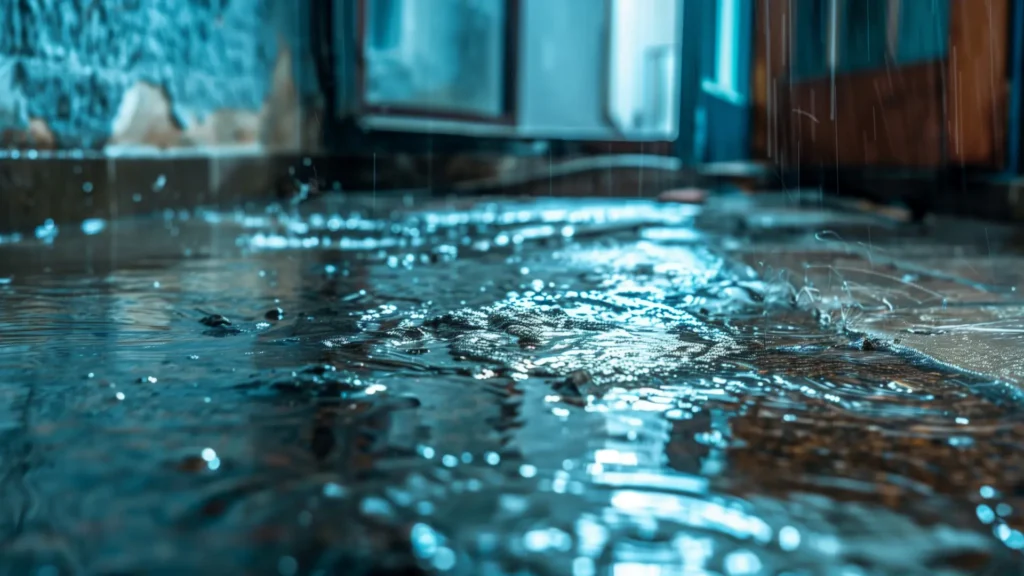
- Source control first: Fix leaks and damp spots, remove musty materials, store paints/solvents outside living areas.
- Smart ventilation: Use a ducted kitchen hood; run bath fans during/after showers; add balanced ventilation (ERV/HRV) in tight homes.
- Effective filtration: HEPA purifiers sized to the room (match CADR) + MERV 11–13 in central HVAC (if compatible).
- Simple verification: Track PM2.5, CO₂, and RH with a basic monitor before/after changes.
What Doesn’t Work Well
- Masking odors with sprays or fragrances (adds VOCs, hides the cause).
- Recirculating hoods as the only cooking strategy (they don’t remove NO₂/grease particles to outdoors).
- Undersized purifiers (too little CADR for the room) or clogged/low-grade HVAC filters.
- Skipping moisture fixes while chasing gadgets (humidity drives many IAQ problems).
Bottom line: For real indoor air quality improvement, tackle sources, ventilate to the outside, filter particles properly, manage humidity—and confirm it worked with simple measurements.
Quick Answers
- Fix the source. Dry leaks, control moisture, and keep chemicals sealed and stored safely.
- Use both tools. Ventilation moves air in/out; filtration cleans the air that stays inside.
- Pick the right filter. HEPA purifiers handle smoke and dust in a room. MERV 11–13 HVAC filters clean the whole home—if your system can handle them.
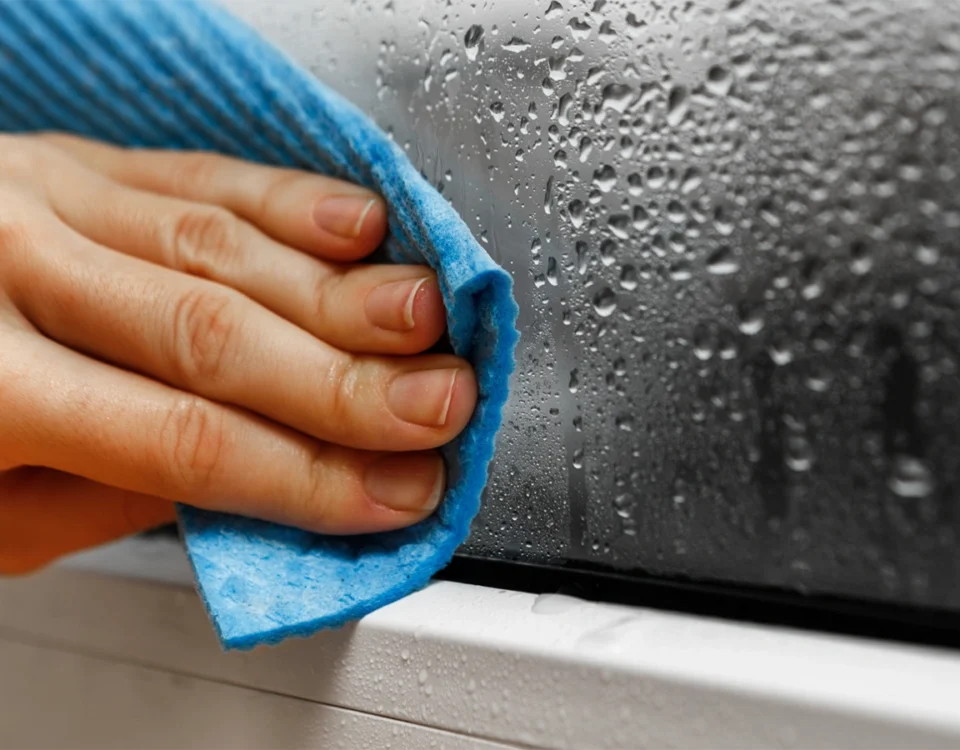
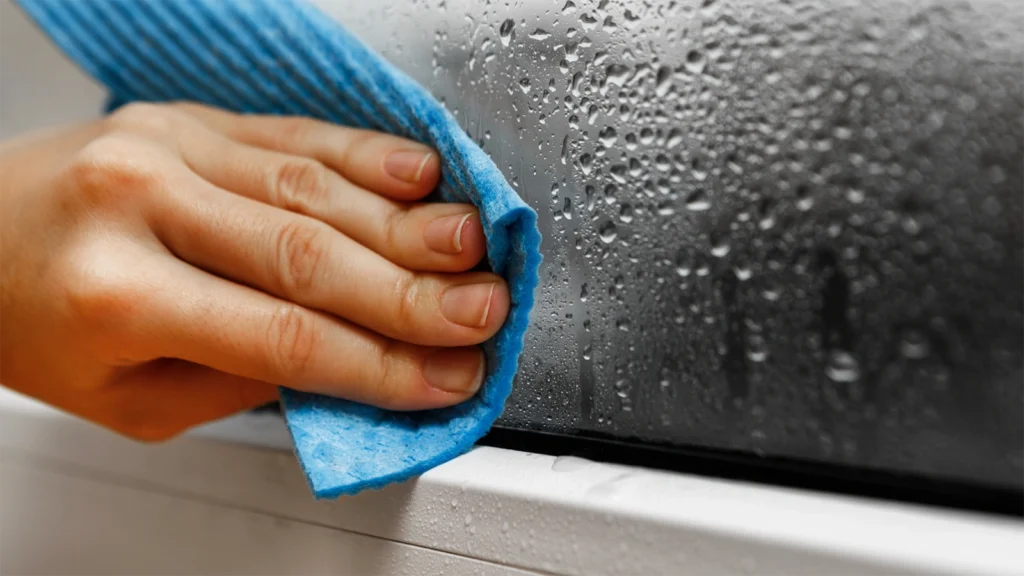
- Watch humidity. Keep it between 30–50% RH. Anything over 60% for long makes mold more likely.
- Check results. Use a simple PM2.5, CO₂, and humidity monitor before and after changes so you know the air really improved.
Step-By-Step Plan (Do These In Order)
1) Hunt The Source (Fast Room Walkthrough)
Look for water stains, musty smells, unvented gas heaters, strong fragrances/solvents, and cluttered storage. Remove or fix what you find. Source control is the foundation of indoor air quality improvement.
2) Fix Moisture First
- Repair leaks and dry wet materials promptly.
- Use bath/kitchen fans; aim for RH 30–50%.
- Dehumidify damp areas; address crawlspace/basement moisture.
3) Ventilate Smartly (Fresh Air On Your Terms)
- Kitchen: Run a ducted range hood every time you cook.
- Bath: Run the fan during showers and 20–30 minutes after (timer switch helps).
- If air feels stale (or CO₂ runs high), schedule fresh air or consider balanced ventilation (ERV/HRV) in tighter homes.
These simple changes are core to improving indoor air quality without expensive remodels.
4) Filter Effectively (Particles & Smoke)
- Central HVAC: upgrade to MERV 11–13 if compatible; seal gaps around the filter slot.
- Rooms: add HEPA purifiers sized to the space (match CADR to room size) and run continuously on low.
HEPA purifiers and MERV 11–13 filters are high-value indoor air quality solutions for smoke and dust.
5) Create A “Clean Room” For Bad Air Days
Pick one bedroom or living room. Close the door/windows, run a HEPA purifier continuously, and use it for sleep, work, or sensitive family members during smoke or high-AQI days.
6) Tame Chemicals & Odors (Vocs)
Choose low-VOC paints/adhesives. Ventilate after new furniture arrives. Store solvents/paints outside living spaces in sealed containers. Activated-carbon filters can help with odors.
7) Better Daily Habits, Big Wins
Cook on back burners, keep lids on, vacuum with a HEPA vacuum, damp-dust surfaces, and avoid idling cars in an attached garage. Skip heavy air fresheners—they mask, not fix.
8) Combustion Safety = Non-Negotiable
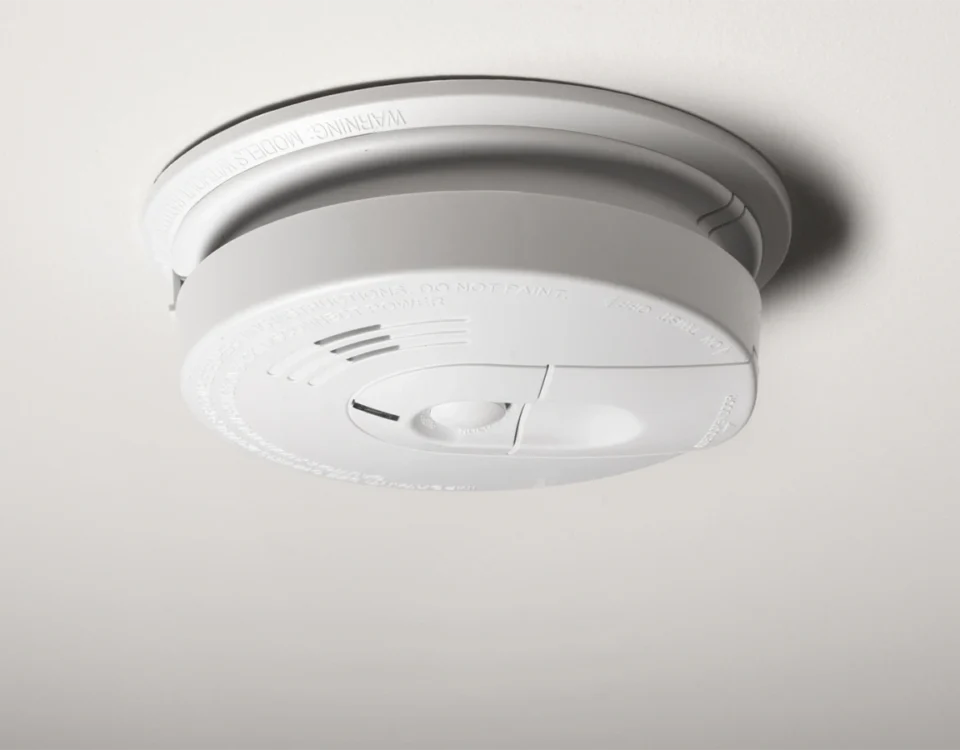
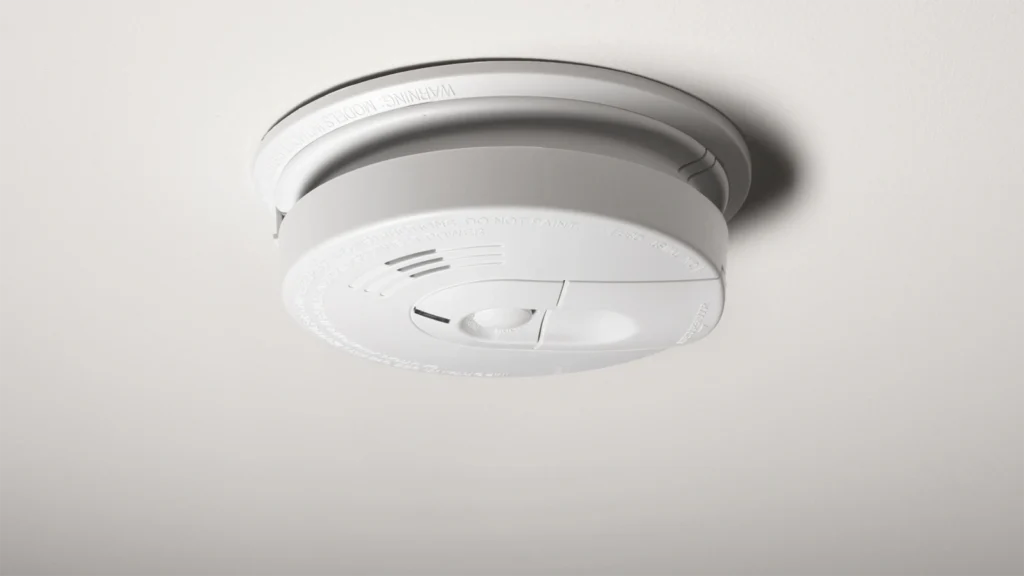
Install and test carbon monoxide (CO) alarms. Service gas appliances annually. If you notice exhaust smells, headaches, or fatigue around usage—get a pro check.
9) Verify The Improvement
Use a simple monitor to log PM2.5, CO₂, and RH for a week before and after your changes. You should see fewer particles, better humidity, and lower CO₂ peaks.
Tracking PM2.5, CO₂, and RH turns indoor air quality improvement into a repeatable routine.
Indoor Air Quality Improvement: Simple Changes With Big Impact
| Problem | Quick Fix | Why It Helps |
| Cooking fumes & odors | Ducted range hood + lids | Removes particles/NO₂ at the source |
| Musty bathroom | 30-minute fan timer + door gap | Clears humidity; lowers mold risk |
| Wildfire smoke | HEPA purifier + “clean room” | Drops PM2.5 quickly |
| Stuffy bedroom | Short fresh-air burst or balanced ventilation; check CO₂ | Dilutes CO₂/VOCs |
| New-remodel smell | Ventilate for days; carbon filtration | Reduces VOCs/formaldehyde |
| Dust returns fast | MERV 11–13 filter; seal filter slot; HEPA vacuum | Captures fine particles effectively |
| Damp corner/crawlspace | Fix drainage, add vapor barrier, dehumidify | Balances humidity & prevents musty odors |
When To Consider Professional Testing
Call a pro if you’ve tried the steps above and still have persistent symptoms/odors, after water damage, or when you need lab-backed reports for a landlord, buyer/seller, or insurer. Pros can add spore sampling, formaldehyde/VOC badges, moisture mapping, and thermal imaging to pinpoint sources.
Frequently Asked Questions
What Actually Improves Indoor Air Quality Fast?
- Fix moisture at the source (dry leaks within 24–48 hours).
- Ventilate: run a ducted range hood while cooking and bath fans 20 minutes after showers.
- Filter: use a HEPA room purifier and a MERV 11–13 HVAC filter (if your system supports it).
- Verify: check PM2.5, CO₂, and humidity before/after changes.
What Are The Best Indoor Air Quality Solutions For Wildfire Smoke?
- Create a clean room: close doors/windows and run a correctly sized HEPA purifier on medium–high.
- Set HVAC to recirculate with a fresh MERV 11–13 filter.
- Seal obvious gaps (weatherstripping) and avoid opening doors unnecessarily.
Can An Air Purifier Replace Ventilation?
No. Purifiers remove particles; ventilation reduces CO₂ and VOCs. Most homes need both: run ducted kitchen/bath exhaust and use HEPA for particles.
What Humidity Should My Home Be For Healthy Indoor Air?
Keep 30–50% RH. Sustained >60% increases mold risk; <30% can worsen dryness and dust. Use dehumidifiers/humidifiers as needed and address leaks or poor ventilation.
How Big Should My Air Purifier Be (Hepa Cadr Vs Room Size)?
Match CADR to room size. Quick rule: CADR ≈ 2/3 of the room’s square footage (e.g., 150 sq ft → ~100 CADR for smoke/dust). Keep doors/windows closed in that room for best results.
Hepa Vs. Merv: What’s The Difference And Which Should I Use?
- HEPA: standalone room purifiers that capture fine particles (smoke, dust, allergens).
- MERV 11–13: whole-home HVAC filters that improve air across the house, if the blower can handle it.
Use both when possible: HEPA for targeted rooms; MERV 11–13 for whole-home support.