
Water damage is stressful, especially when you are not sure who to call first.
In many cases, one qualified restoration company can handle or coordinate water cleanup, drying, documentation, and repair planning. Some situations may still require a plumber, electrician, HVAC specialist, engineer, insurance adjuster, or another licensed professional.
If your home is still wet or you are not sure how far the water spread, a restoration company is usually the best first call. If the water source is still active, a plumber may also be needed.
Can One Company Do Everything After Water Damage?
One restoration company can often manage the main water damage process, but that does not always mean one company performs every specialized trade.
A water cleanup and repair company may help with:
- Emergency water removal
- Moisture inspection
- Water mitigation
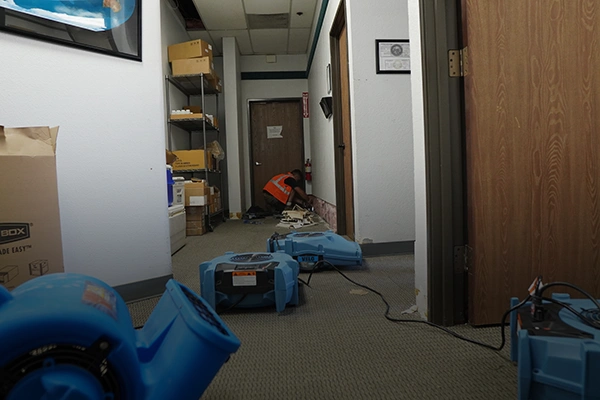
- Structural drying after water damage
- Removing damaged materials
- Moisture readings and photos
- Drying documentation
- Repair estimates
- Drywall, flooring, trim, paint, cabinet, and rebuild coordination
This is different from hiring only a plumber or only a general contractor.
A plumber may fix the source of the leak, but usually does not dry the structure or repair damaged drywall and flooring. A general contractor may repair visible damage, but may not provide emergency water extraction, professional drying equipment, moisture monitoring, or mitigation documentation.
A restoration company is usually the better first call when the home is still wet, moisture may be hidden, or cleanup and repairs need to be planned together.
Is It Better to Work With One Company After Water Damage?
For many homeowners, working with one restoration company is easier because water cleanup and repairs are closely connected.
Drying should happen before repairs. If repairs start too early, moisture can be trapped behind new drywall, flooring, cabinets, or trim. That can lead to more damage, delays, or additional repairs later.
One coordinated company can help make sure the process happens in the right order:
- Find the water source and affected areas.
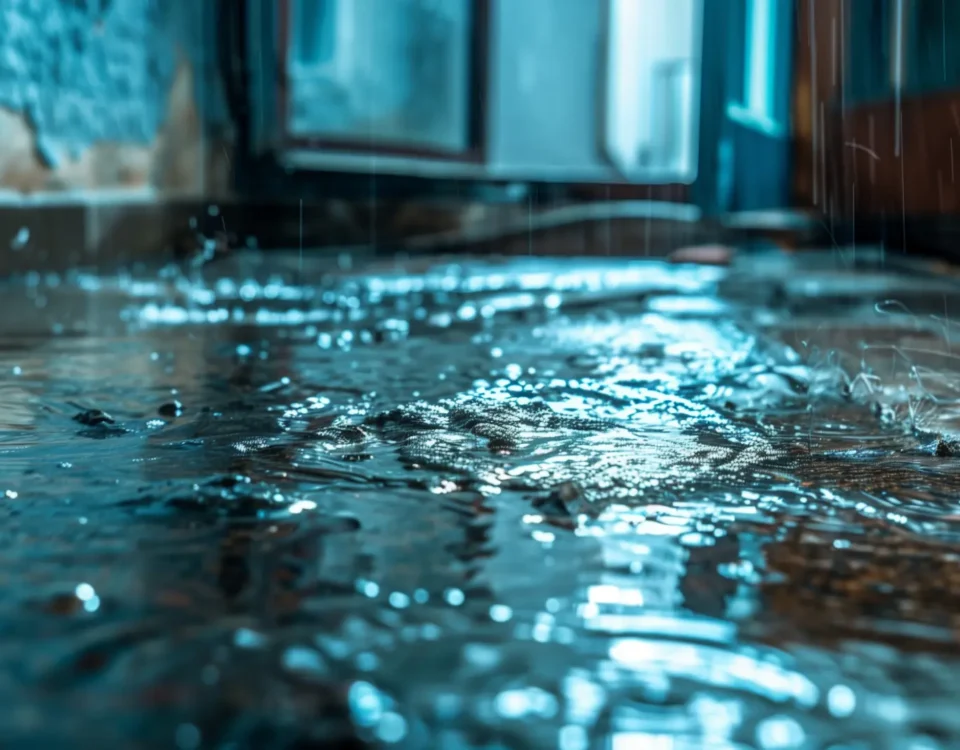
- Remove standing water.
- Inspect for hidden moisture.
- Remove damaged materials when needed.
- Dry the structure.
- Document moisture readings.
- Plan repairs after drying is complete.
Working with one company may also help with:
- One main point of contact
- Faster communication
- Fewer delays between drying and repair
- Clearer responsibility
- Less stress for the homeowner
- A more organized repair plan
This does not mean one company is always cheaper or always better. But when water damage affects multiple materials, one coordinated restoration company can often make the process smoother.
When Is It Better to Choose One Company?
Choosing one company is often a good option when water damage affects more than one area or material in the home.
This may include:
- A pipe leak that damaged drywall, flooring, and baseboards
- A water heater leak that affected nearby rooms
- A kitchen sink leak that damaged cabinets, flooring, and drywall
- A dishwasher, refrigerator, or washing machine leak
- A roof leak that affected ceiling drywall, insulation, and paint
- Storm or flood damage that affected multiple materials
- Water damage where you are not sure how far moisture traveled
In these situations, the job is usually not just “remove the water.” The home may need water extraction, moisture inspection, drying, damaged material removal, documentation, and repairs.
One company can be especially helpful when you need both water mitigation and repairs. The drying plan and repair plan can be connected from the beginning instead of treated like two separate projects.
This can also help when insurance documentation is involved. A restoration company that documents moisture readings, photos, drying progress, and repair needs can help create a clearer record of what happened and what work may be needed. Insurance coverage decisions are still made by the insurance company.
When Is It Better to Use Different Companies?
It is better to use different companies or specialists when the water damage involves work outside the restoration company’s scope.
A reliable restoration company should be honest when another professional is needed.
The Water Source Needs Plumbing Repair
If the damage came from a broken pipe, leaking supply line, failed water heater, toilet overflow, or plumbing fixture, a plumber may need to repair the source.
The restoration company can handle the water damage, but the plumbing source itself may require a licensed plumbing professional.
Water Reached Electrical Areas
If water reached outlets, wiring, light fixtures, appliances, or an electrical panel, an electrician may need to inspect the area before repairs continue.
Water and electrical systems should always be handled carefully.
HVAC Equipment or Ductwork Was Affected
If water affected ducts, heating equipment, cooling equipment, or areas around the HVAC system, an HVAC specialist may be needed.
Mold Is Visible or Suspected
If materials stayed wet too long or visible mold is present, mold remediation may be needed before repairs begin.
Good Life Restoration provides mold remediation services, so homeowners can get help with both water damage restoration and mold-related concerns when needed.
Major Structural Damage Is Possible
If water affected framing, beams, posts, subfloor systems, or load-bearing areas, an engineer or specialized contractor may need to evaluate the damage.
The Home Is Already Fully Dry
If the water damage happened earlier, the home is confirmed dry, and only simple cosmetic repairs are needed, a general contractor may be enough.
For example, if only painting or minor drywall patching is needed after the area is already dry, a full restoration process may not be necessary.
How Can I Minimize My Expenses After Water Damage?
The best way to reduce water damage expenses is to act quickly, avoid unnecessary demolition, and make sure repairs do not start before drying is complete.
A lower upfront price is not always cheaper if hidden moisture is missed or repairs have to be redone later.
To help minimize costs, homeowners should:
- Stop the water source if it is safe to do so.
- Call for help quickly before moisture spreads.
- Do not install new materials over wet areas.
- Ask for moisture readings and photos.
- Ask what can be dried versus what must be removed.
- Keep records of damage, cleanup, and repairs.
- Avoid hiring separate companies that do not communicate.
- Confirm what work is included in the estimate.
- Ask whether Xactimate estimating is used.
- Review insurance requirements before approving major work.
One coordinated company may help reduce extra costs when it prevents duplicated work, repeated inspections, missed moisture, or delays between drying and repairs.
However, the cheapest option is not always the safest option. If a company only repairs visible damage without checking for moisture, the home may still have hidden water behind walls, under flooring, inside cabinets, or in framing.
The goal is not only to spend less today. The goal is to avoid paying twice for the same damage later.
One Company vs. Multiple Companies After Water Damage
| Option | When It Can Work | Possible Problem |
| One restoration company | Good when you need cleanup, drying, documentation, and repair coordination | May still need outside specialists for plumbing, electrical, HVAC, or engineering |
| Separate cleanup and repair companies | Can work if both companies communicate clearly | More coordination for the homeowner |
| General contractor only | May work after the home is already dry | May not provide emergency water extraction, drying, or moisture documentation |
| Plumber only | Needed when the water source is plumbing-related | Usually does not handle drying or repairs caused by the water |
For many homeowners, the best choice is a restoration company that can handle water mitigation and repairs while also explaining when another specialist is needed.
Questions to Ask Before Hiring a Water Damage Company
Before hiring a water damage contractor in Sacramento, ask questions that help you understand what the company can actually handle.
Good questions include:
- Do you handle both water cleanup and repairs?
- Do you provide water mitigation and structural drying?
- Do you document moisture readings?
- Are you licensed and insured?
- Do you use professional drying equipment?
- Can you help with repair estimates?
- Do you use Xactimate estimating?
- Do you provide photos and drying documentation?
- Do you help with insurance documentation?
- Who will be my main point of contact?
- What work do you handle directly?
- What work may require another specialist?
- When can repairs begin after drying?
- How do you decide what can be saved and what must be removed?
These questions help you avoid confusion and understand whether the company is only removing water or helping with the full water damage restoration and repair process.
How Good Life Restoration Helps
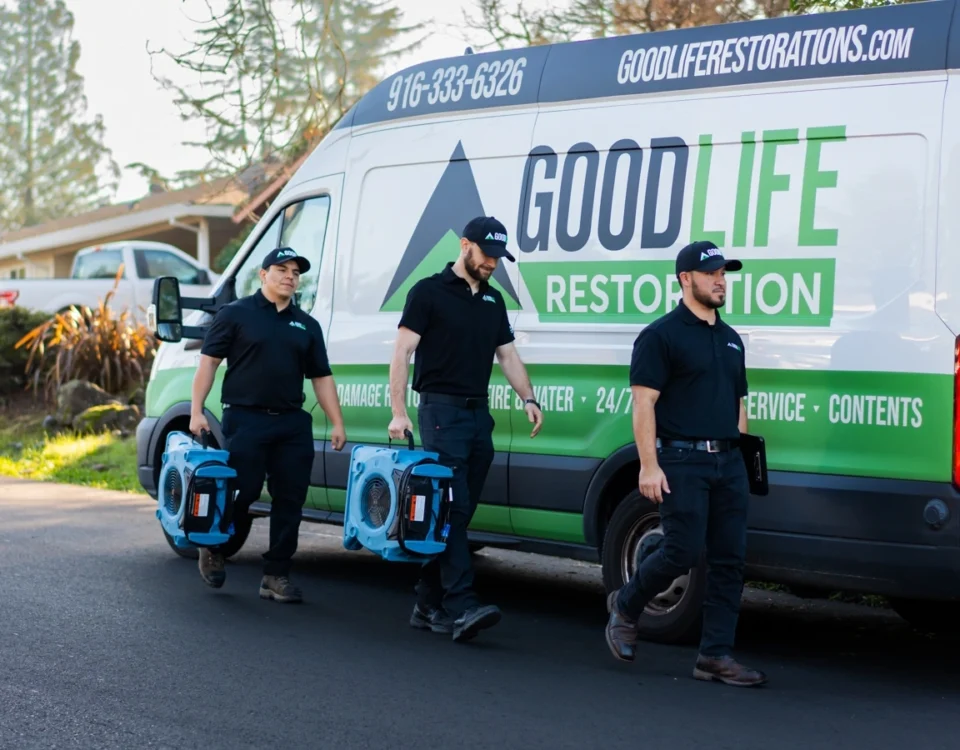
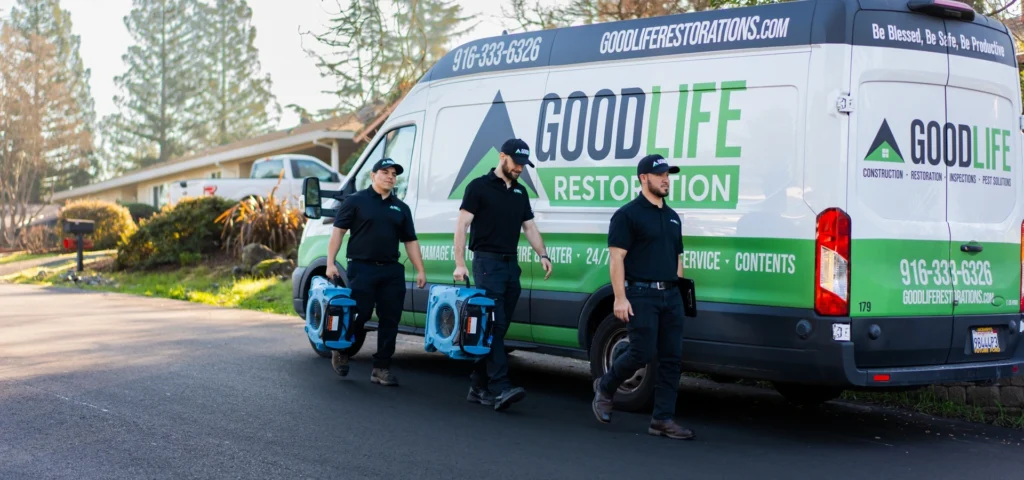
Good Life Restoration helps Sacramento-area homeowners with water cleanup, water mitigation, structural drying, mold remediation, documentation, and repair/rebuild coordination after water damage.
The team can assess the damage, remove water, dry affected areas, document moisture readings, and help plan the next repair steps.
Good Life Restoration is a licensed restoration company, CSLB #1119271. The team is IICRC-trained, uses Xactimate estimating, has a BBB A+ rating, and serves Sacramento and surrounding Northern California areas.
Good Life Restoration may be a good choice if you need:
- Water cleanup after a leak or flood
- Water mitigation and drying
- Structural drying after water damage
- Mold remediation when needed
- Moisture inspection and documentation
- Water damage repair after cleanup
- Repair and rebuild coordination
- A local water damage restoration Sacramento company
Not every water damage job is the same. If a plumber, electrician, HVAC specialist, engineer, or another licensed professional is needed, Good Life Restoration can help explain the next step clearly.
FAQ: Water Cleanup and Repairs
Can one company dry my home and repair the damage?
Yes. In many cases, one qualified restoration company can dry the home and handle or coordinate repairs after water damage.
Is water mitigation the same as repair?
No. Water mitigation focuses on stopping more damage, removing water, drying the structure, and removing materials that cannot be saved. Repairs happen after the affected areas are dry.
Should repairs start before drying is complete?
Usually, no. Repairs should generally wait until affected areas are dry and moisture levels have been checked. Starting repairs too early can trap moisture behind new materials.
Is it cheaper to use one restoration company?
It can be, especially if one company helps prevent duplicated work, delays, missed moisture, or poor communication between cleanup and repair crews. However, the final cost depends on the damage, materials, drying time, and repair scope.
When do I need a plumber after water damage?
You may need a plumber if the source of the water was a broken pipe, failed water heater, leaking supply line, toilet overflow, or plumbing fixture. The plumber repairs the source, while the restoration company handles the water damage.
Can a restoration company repair water damage?
Yes. Many restoration companies can handle or coordinate water damage repairs after cleanup and drying are complete. Repairs may include drywall, flooring, trim, cabinets, paint, subfloor repair, or rebuild coordination.
Can Good Life Restoration help with cleanup and repairs?
Yes. Good Life Restoration helps Sacramento-area homeowners with water cleanup, mitigation, structural drying, mold remediation, documentation, and repair/rebuild coordination after water damage.